
Estate planning
Dying without a will in Utah
By Frank Stucki, Esq., MBA
Quick answer
In Utah, if you die without a will, your surviving spouse often inherits everything, unless you have children from another relationship. Then the spouse takes the first $75,000 plus half the rest, and your descendants share the remainder.
Who decides who inherits?
Without a will, Utah's intestate succession rules decide. They are in Title 75, Chapter 2, Part 1 of the Utah Code, part of Utah's version of the Uniform Probate Code.
Utah is not a community property state. Unlike Nevada or Washington, Utah doesn't automatically treat marital earnings as half-owned by each spouse for inheritance purposes. The intestacy formula applies to the probate estate as a whole.
How much does a surviving spouse get?
Under Utah Code 75-2-102:
- Your spouse takes everything if you have no surviving descendants, or if all of your descendants are also your spouse's descendants.
- Your spouse takes the first $75,000 plus half of the balance if one or more of your descendants are not your spouse's descendants, such as a child from a prior relationship.
That second rule also counts certain nonprobate transfers your spouse receives, like jointly owned property or a payable-on-death account, toward the spouse's share.
Who inherits if there's no spouse?
Under Utah Code 75-2-103, anything not going to a spouse passes in this order:
- Your descendants (children, grandchildren), divided by generation
- Your parents, equally, or the surviving parent
- Your parents' descendants (your brothers, sisters, nieces and nephews)
- Your grandparents or their descendants, split between both sides of the family
- Descendants of a deceased spouse
If no one qualifies, the estate passes to the state for the permanent state school fund (Utah Code 75-2-105).
An heir also has to survive you by 120 hours to inherit under these rules (Utah Code 75-2-104).
Why does this matter for blended families?
The $75,000-plus-half rule is where blended families feel it. Picture a remarried parent with one child from a first marriage and a house worth $400,000.
Without a will, the spouse may receive $75,000 plus half of the remaining value, and the child receives the other half. The spouse and stepchild could end up co-owning the family home, which can strain relationships at a hard time.
A will or trust lets you decide: perhaps your spouse keeps the home for life and your child inherits it later.
What about stepchildren and unmarried partners?
Stepchildren who were never adopted generally don't inherit from a stepparent under the default order, except as descendants of a deceased spouse when no closer relatives exist. An unmarried partner generally inherits nothing without a will, trust or beneficiary designation.
Who raises my kids if I die without a will?
A Utah parent may appoint a guardian for a minor child by will or another signed writing (Utah Code 75-5-202). Without that appointment, the court chooses. See our guide on naming a guardian.
Does every Utah estate go to court?
No. If the estate subject to administration, less liens, is $100,000 or less, an heir may collect personal property by affidavit 30 days after death (Utah Code 75-3-1201).
For larger estates without a dispute, Utah allows informal probate through the court registrar (Utah Code 75-3-301). A trust can avoid probate altogether for assets placed in it.
FAQ
If all your children are also your spouse's children, generally yes. If you have a child from another relationship, your spouse gets $75,000 plus half of the balance.
Generally yes. Your parents are next in line, then your siblings and their children.
No. Only a will or other estate plan can change the default order.
Sources
This guide is general information, not legal advice. Reading it does not create an attorney-client relationship.
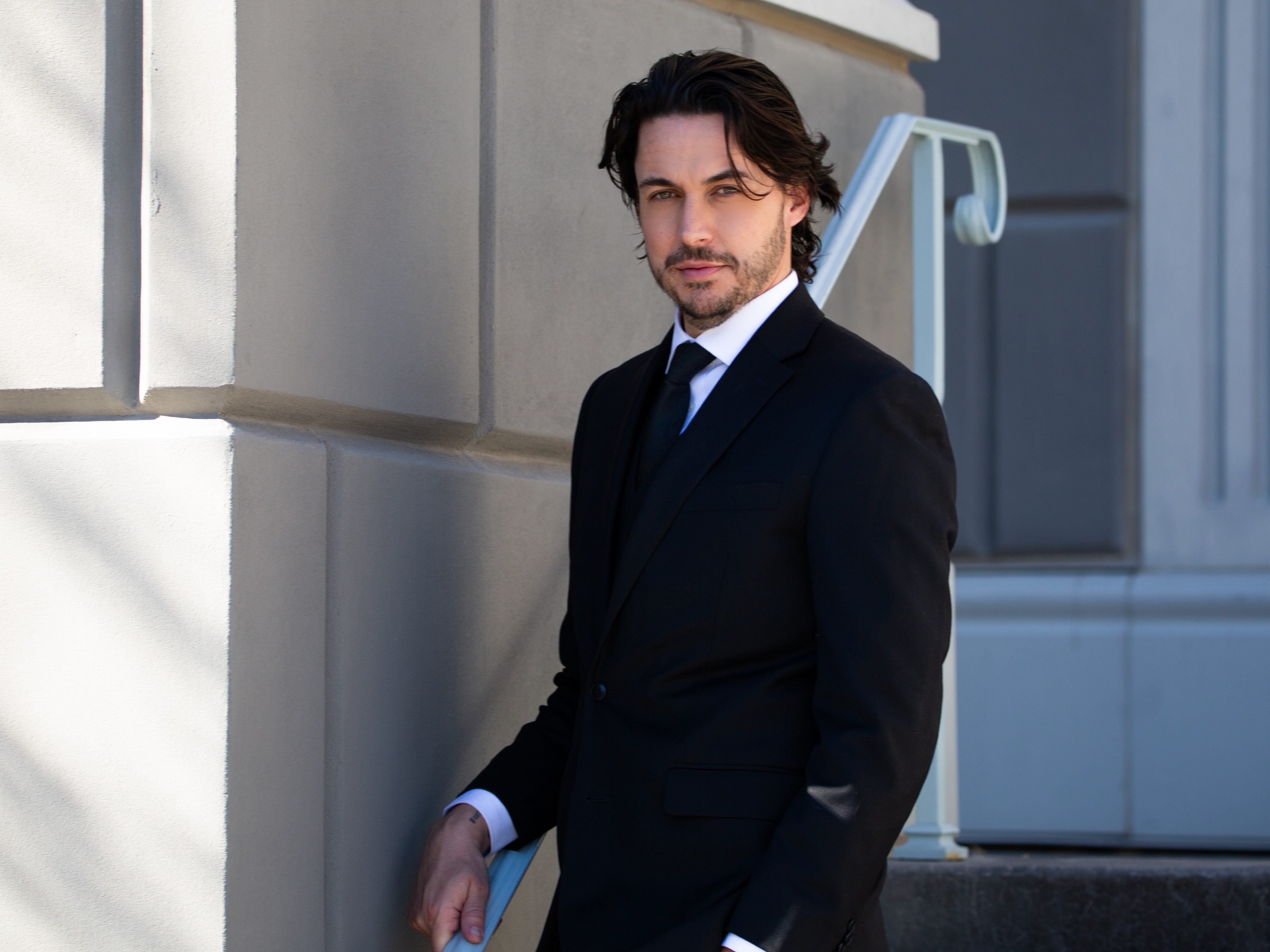
Questions about your situation? Frank Stucki, Esq., MBA handles flat-fee legal work in Nevada, Washington, Utah and California.